Design Eye-Catching Infographics With a Smart Photo Editor
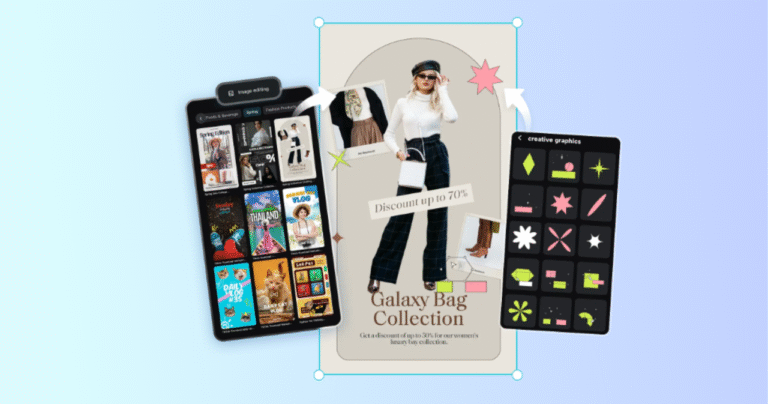
Infographics also affect how listeners understand complex concepts in the digital world. The modern communication appreciates clarity, speed, and visuality. Written forms would hardly compete with visual narration these days. Infographics represent a combination of information, design, and narrative in a single, scannable experience. They control attention and reduce cognitive load. Visual storytelling has the habit of maximizing recall and behavioral distribution. CapCut online simplifies the process of creating infographics through the assistance of AI-based editing procedures. Shrewd automation eradicates technical resistance in design tasks. The approach helps creators to focus on the quality and structure of the message. Infographics also play an essential role in communication because digital platforms are more visually oriented.
The Role of Infographics in Data Visualization and Digital Media
Infographics simplify and recall information because they have a visual hierarchy. The human brain perceives visual images faster than solid lines of text. Sequential progression guides the viewer of the primary findings to the supplementary information. Infographics in learning make abstract concepts easier to understand. Marketing teams use them to communicate value propositions within a limited amount of time. Online publishers rely on visual summaries to reduce bounce rates. In the case of conventional construction of infographics, advanced software might be necessary. Alignment of handicraft, matching colors, and planning layout reduces production. These barriers limit experimentation and reduce publication homogeneity across online platforms.
How a Smart Photo Editor Transforms Infographic Creation
The way that infographics are built is evolving with the aid of artificial intelligence. Layout intelligence automatically examines spacing, balance, and alignment. Design automation is not subordinate to creative control and reduces repetitive processes. A photo editor with AI helps to ideate and refine more quickly. The consistency of the image is achieved with algorithmic font and color blends. Important informational clarity is not relegated to the background, even by bold aesthetics. CapCut online is completely browser-based, and this enables a flexible workflow. It has the capability to quickly cross-iterate across devices. The teams collaborate without being installed with software. Such accessibility is quick in providing infographics in hectic online environments.
Leveraging AI Design Models for Infographic Layouts
The model of AI design opens up new opportunities for infographic organization. Text-to-image systems such as Seedream 4.5 create images based on prompts. Descriptive inputs give rise to charts, icons, and illustrative information. This approach eliminates reliance on external asset libraries. Sharing prompts enhances the visual consistency across multi-panel layouts. The visuals (style) are consistent between header visuals and data blocks. CapCut combines these models to generate seamlessly. Designers improve outputs and do not start at the beginning. The workflow assists in scalable content generation. Complicated stories are visualized and unified with little manual work.
Steps To Design Eye-Catching Infographics With A Smart Photo Editor
Step One: Open the Infographic Workspace
Start by opening CapCut and accessing the online AI photo editor. Sign up, reach the main interface, and choose the “AI Design” tool from the left vertical menu. This space helps you generate branding visuals, poster-style layouts, and infographic designs. You can quickly create high-quality visuals for work, social media, or personal projects using this free AI photo editor.
Step Two: Describe Data and Add References
Next, type a clear text prompt explaining the infographic style, data flow, or color theme you want. Click “Upload image” to add charts, icons, or a reference photo from space or your local device. This step helps the AI photo editor deliver more accurate results. When ready, click the “Send” tab to start creation.
Step Three: Finalize and Export the Infographic
After generation, refine the design using editing options. Change background colors, add text blocks, or include stickers. Use AI features like Inpaint, upscale, remove, or expand features for clarity.
Once satisfied, click “Download”, select JPEG, PNG, or PDF, choose size, and save. You can also copy the image as a PNG and share it directly to Facebook or Instagram.
Structuring Information for Maximum Visual Impact
Powerful infographics require disciplined information organization. The typeface decisions affect the legibility and tone. The combination of fonts must be personality-meets-clarity. Color psychology determines the flow of emotions and attention. Contrast enhances inter-screen accessibility. Pictorial details should be consistent with plot development. Data must flow in a logical manner from general to specific. CapCut online assists in accurate alignment and spacing. Even video-oriented actions like crop video reinforce spatial discipline. A steady structure means that the viewers can grasp the message fast. Visual storytelling is effective because design supports narrative intent.
Enhancing Infographics With Smart Editing Tools
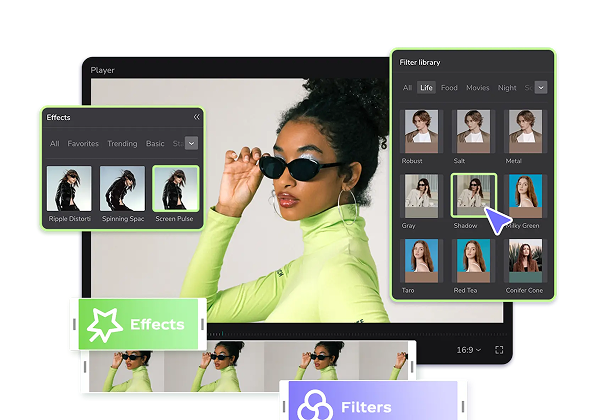
Advanced editing tools elevate infographic quality without manual effort. Background removal isolates key subjects cleanly. Object refinement sharpens edges and visual focus. Auto-reframe adapts designs for multiple platforms efficiently. Dimensions adjust without distorting content hierarchy. Templates accelerate creation while preserving originality. Customization layers prevent repetitive visual outcomes. CapCut online balances speed with creative flexibility. Smart tools reduce production fatigue. Designers maintain brand consistency across campaigns. These enhancements ensure infographics remain polished, adaptive, and visually competitive across digital ecosystems.
Exporting and Optimizing Infographics for Multiple Platforms
Final infographic impact is determined by export settings. Fine details are maintained using high-resolution output to the level of 8K. Printed materials have the advantage of utmost clarity and acuity. Digital platforms demand optimal file sizes without compromising on quality. The choice of format is based on the objectives of distribution. PNG is transparent, and PDF is print-friendly. Uniformity of sharpness in machines ensures professionalism. CapCut online makes it very easy to make decisions on export with preset choices. Desktop to mobile, Visual integrity is preserved. Optimization will make sure that infographics will work efficiently in a variety of publishing settings.
Conclusion
The use of AI in editing changes the standards of infographic design. The automation eliminates technical restrictions without killing creativity. Smart tools allow more vivid visual communication. CapCut online is a scalable data-driven storytelling solution. Workflows based on browsers are flexible and collaborative. With the development of AI design models, the creation of infographics has become more available. The use of visual data communication becomes more and more significant. The next generation of infographics will be characterized by smart tools. Designers can have efficiency without compromising quality. The future of infographics design is smart, browser-based AI.