Sildenafil: Uses, Benefits, Risks, and What to Know
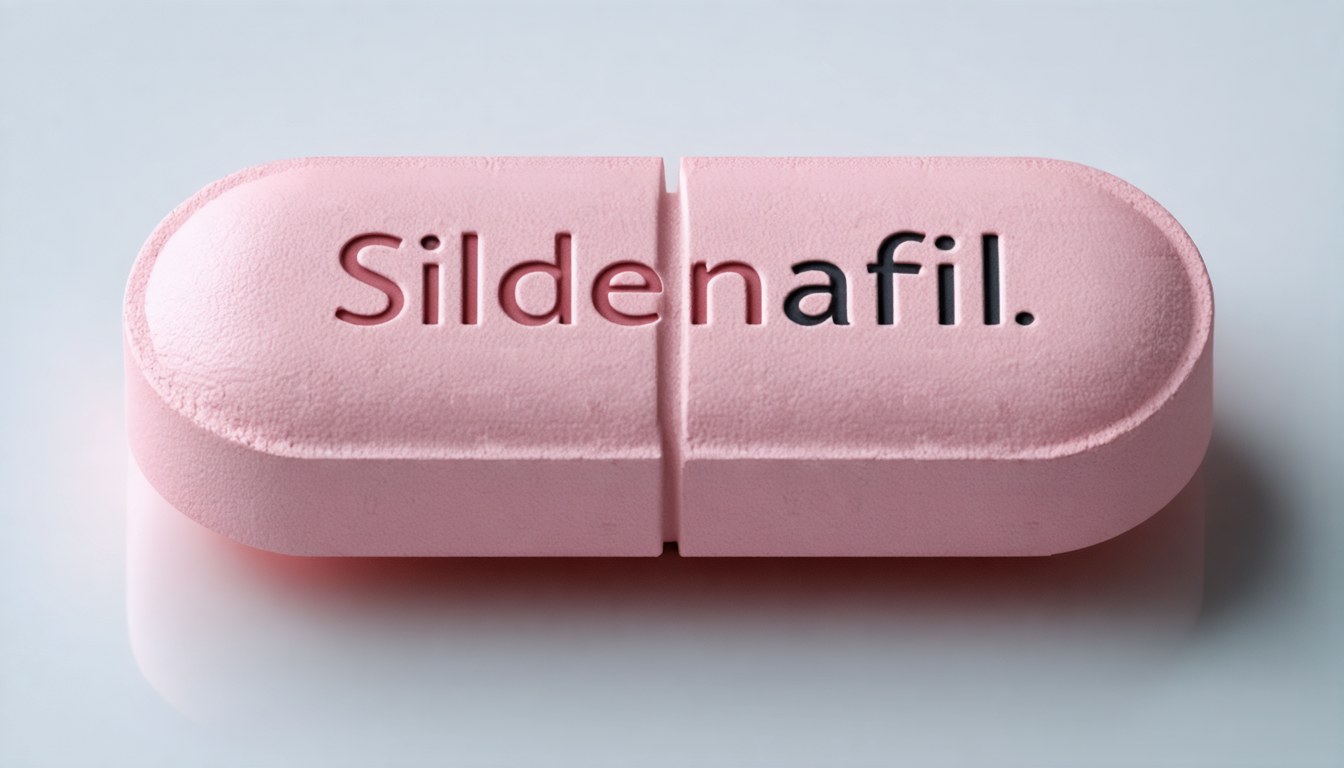
Sildenafil
This content is provided for educational purposes only and is not a substitute for professional medical advice, diagnosis, or treatment. Always consult a qualified healthcare professional with questions about medications or health conditions.
Basics: what it is
Sildenafil is a prescription medication best known for treating erectile dysfunction (ED). It belongs to a drug class called phosphodiesterase type 5 (PDE5) inhibitors. Sildenafil works by improving blood flow to certain parts of the body, particularly the penis, by relaxing blood vessel walls.
Beyond erectile dysfunction, sildenafil is also approved under different brand names for treating pulmonary arterial hypertension (PAH), a condition involving high blood pressure in the arteries of the lungs. While the mechanism of action is similar, the clinical context and monitoring differ.
From a broader health perspective, sildenafil has been the subject of extensive medical research and public interest, often appearing in health-related discussions across our Blog insights and even influencing online behavior tracked in Google Trends health data.
Symptoms and signs
Sildenafil itself does not cause a disease, but it is commonly associated with managing symptoms of underlying conditions. The following symptoms and signs may prompt a healthcare provider to consider sildenafil:
- Difficulty achieving an erection – Trouble getting or maintaining an erection sufficient for sexual activity.
- Reduced erectile firmness – Erections may occur but are not firm or long-lasting.
- Shortness of breath during activity – In PAH, reduced exercise tolerance may be a key sign.
- Fatigue linked to circulation issues – Poor blood flow can contribute to generalized tiredness.
- Psychological distress – Anxiety or stress related to sexual performance can coexist with ED.
These symptoms often overlap with cardiovascular or metabolic conditions, which is why medical evaluation is important.
Similar conditions: how to differentiate
Erectile dysfunction and circulation-related symptoms can arise from multiple causes. The table below highlights how sildenafil-related treatment considerations differ from other common conditions:
| Condition | Main Cause | Key Difference |
|---|---|---|
| Erectile dysfunction (vascular) | Reduced blood flow | Often responsive to PDE5 inhibitors like sildenafil |
| Psychogenic ED | Stress, anxiety, depression | May improve with counseling, sometimes alongside medication |
| Low testosterone | Hormonal imbalance | Requires hormone evaluation rather than blood-flow medication |
| Neurological disorders | Nerve damage | Limited response to sildenafil alone |
Understanding these distinctions helps clinicians decide whether sildenafil is appropriate or if other interventions are needed.
Diagnosis
There is no single “sildenafil test.” Instead, diagnosis focuses on identifying the underlying condition it may help treat. A typical evaluation may include:
- Medical history review – Including cardiovascular health, medications, and lifestyle factors.
- Physical examination – Assessment of heart, blood vessels, and relevant anatomy.
- Blood tests – Checking glucose, cholesterol, and sometimes hormone levels.
- Cardiovascular risk assessment – Ensuring sexual activity and certain medications are safe.
- Specialized testing – In select cases, ultrasound or exercise testing.
For pulmonary arterial hypertension, additional imaging and heart–lung function tests are typically required.
What usually helps
Sildenafil is often part of a broader management strategy rather than a standalone solution. What usually helps includes:
- Appropriate use of prescribed medication – Following professional guidance closely.
- Addressing cardiovascular risk factors – Managing blood pressure, cholesterol, and diabetes.
- Lifestyle adjustments – Regular physical activity, balanced nutrition, and adequate sleep.
- Mental health support – Stress reduction and counseling when psychological factors are present.
- Ongoing medical follow-up – Monitoring effectiveness and potential side effects.
Digital health tools and emerging technologies discussed in our Tech & health section and Tools library increasingly support patients in tracking symptoms and outcomes.
How sildenafil affects blood vessels
Sildenafil inhibits the PDE5 enzyme, leading to increased levels of cyclic GMP. This chemical messenger causes smooth muscle relaxation in blood vessel walls, improving blood flow in targeted areas.
Why sexual stimulation still matters
The medication does not create an automatic erection. Sexual arousal triggers nitric oxide release, which sildenafil helps amplify.
Limitations in certain heart conditions
People using nitrate medications or with unstable cardiovascular disease may not be suitable candidates due to blood pressure risks.
Use in pulmonary arterial hypertension
In PAH, sildenafil helps reduce pulmonary vascular resistance, easing strain on the heart. Dosing and monitoring differ significantly from ED use.
Common side effects explained
Headache, flushing, nasal congestion, and visual changes are related to blood vessel dilation in other parts of the body.
Drug interactions to be aware of
Some blood pressure medicines, antifungals, and HIV therapies can alter sildenafil levels in the body.
FAQ
Is sildenafil the same as Viagra?
Viagra is a brand name; sildenafil is the generic active ingredient.
How long does sildenafil last?
Its effects typically persist for several hours, but this varies by individual.
Can women use sildenafil?
It is not widely approved for female sexual dysfunction, though research continues.
Does sildenafil cure erectile dysfunction?
No. It manages symptoms but does not cure underlying causes.
Is it safe for long-term use?
For many people, yes, under medical supervision.
Can lifestyle changes reduce the need for it?
Improving cardiovascular health and reducing stress may lessen reliance on medication.
Why does sildenafil appear often in online trends?
High public interest, media coverage, and health searches contribute to its visibility in trend analyses.
Sources
- U.S. Food and Drug Administration (FDA) – Drug Safety Communications
- National Institutes of Health (NIH)
- American Urological Association (AUA) Guidelines
- European Society of Cardiology (ESC)
- World Health Organization (WHO)